Introductory Remarks


Geneva Peace Forum: A Ceremony for Peace is the flagship public moment of the Forum, bringing together diplomacy, personal testimony and artistic expression around its central theme: Choose Peace. The ceremony will explore what choosing peace means in practice. Its first part will focus on diplomacy, mediation and conflict resolution, highlighting the deliberate choices, relationships and sustained engagement required to resolve disputes through peaceful means.
At its centre, the Peace Message will offer a personal reflection on mediation, drawing on decades of experience engaging with conflicts and efforts to create space for dialogue. The second part of the ceremony will turn to the role of culture and artistic expression in peacebuilding.
Through visual art, poetry and artistic performances, the programme will explore how art can challenge perceptions, preserve memory, create empathy and imagine alternatives to violence. Combining high-level reflections with artistic interventions, the Ceremony for Peace will create a space that is both thoughtful and symbolic: a moment to consider peace not simply as an aspiration, but as a choice that must continually be made by individuals, institutions and societies.
The event will be followed by a cocktail offered by the Swiss Authorities and the Geneva Peacebuilding Platform.
Flying objects take on the form of beings, rising and falling in a haunting dance that evokes the vulnerability of souls affected by war. Accompanied by Max Richter’s Sarajevo, the performance reflects on the human cost of conflict—not only those who are killed or wounded, but also those who survive, carrying wounds that may never be visible. As the objects gently take flight, they become symbols of resilience, remembrance and hope: a tender dance of souls, and a plea for peace.
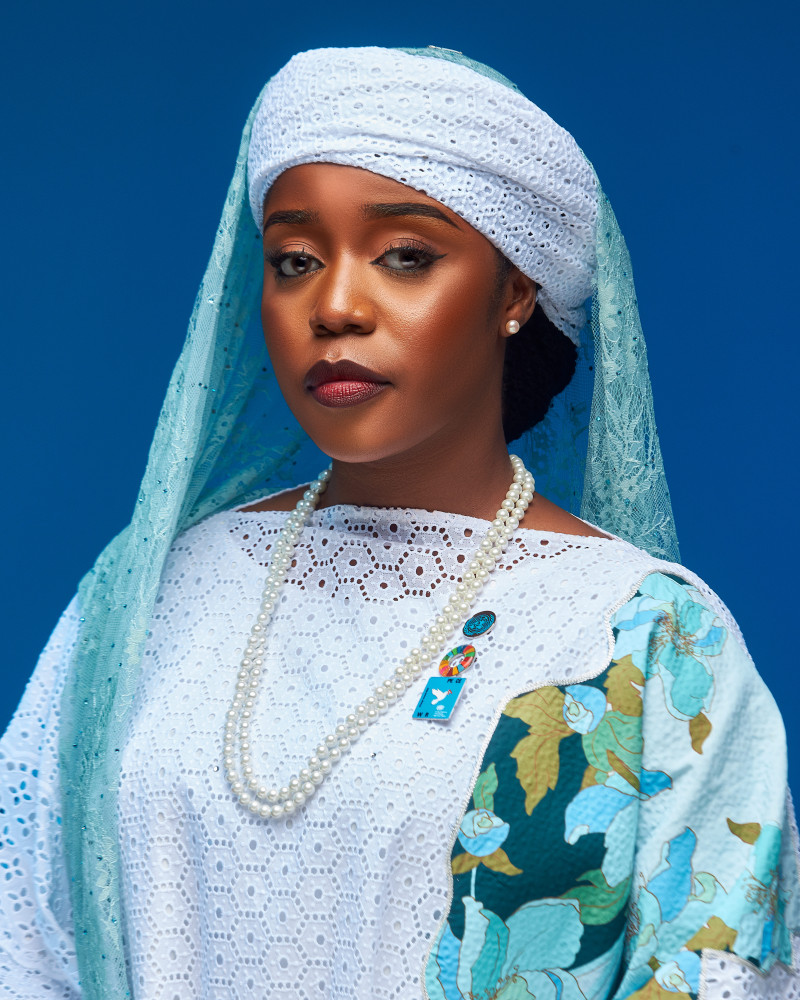
Maryam Bukar Hassan, Nigerian spoken word artist, poet and peace advocate, will deliver a powerful poem reflecting on the resilience of women and young people affected by conflict and displacement. Through her words, she highlights their role in shaping more inclusive and lasting peace, while amplifying voices too often unheard.